The modern grid is built around a strange contradiction. A facility can sit directly beneath existing power lines, surrounded by visible electrical infrastructure, and still be told by the utility that no additional power is available. Not because electricity does not exist, and not because the system is failing, but because utilities are planning around the single worst hour that might occur years from now.
That is the real bottleneck facing electrification.
For most of the year, the grid can support a facility without issue. The problem emerges during rare peak-demand events: extreme weather, synchronized industrial loads, EV charging surges, or moments when every major system turns on simultaneously. Utilities engineer infrastructure around those intervals because transformers, substations, and feeders operate within hard physical limits. Exceed those limits and equipment overheats, degrades, or fails.
As a result, the industry builds around the 1% case instead of the 99% case.
The consequences are increasingly difficult for businesses to accept. Manufacturers wait years to energize facilities. Data centers delay deployment timelines. Industrial projects stall despite demand already existing. The issue is often not that the grid lacks power continuously, but that it may lack sufficient capacity during a relatively small number of extreme moments. Electrification is beginning to break less from energy shortages themselves and more from the inability to manage coincident peaks efficiently.
The traditional response has been equally inefficient. Utilities propose multi-year infrastructure upgrades while customers deploy diesel or gas generators as temporary solutions. What begins as a stopgap measure quickly becomes an operational burden involving fuel coordination, maintenance schedules, runtime monitoring, and continuous oversight. Companies end up building operational processes around infrastructure they never intended to own permanently.
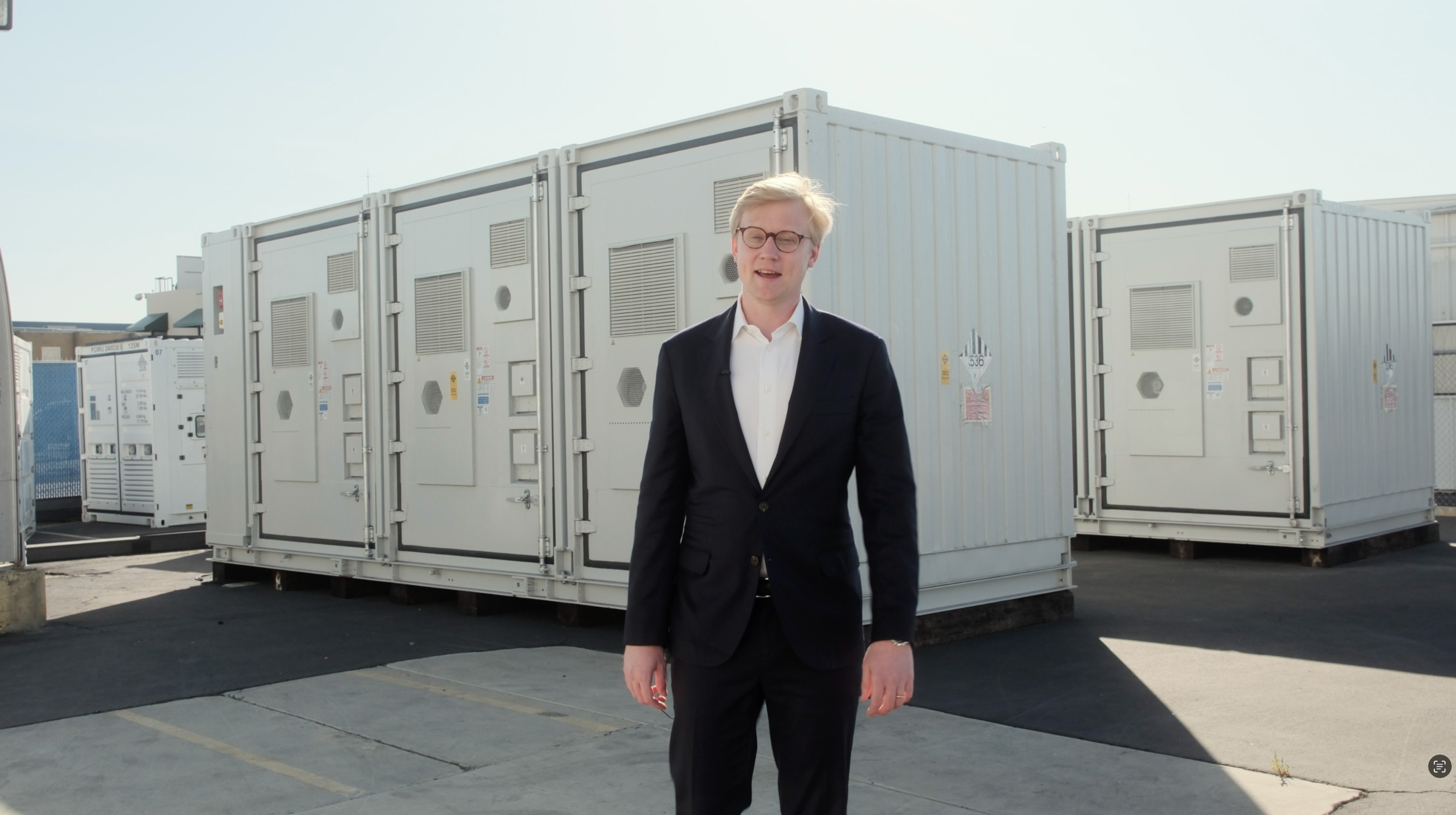
Critical Loop exists because this model no longer makes economic or operational sense. If the constraint only appears during peak intervals, then the solution should only intervene during peak intervals. Instead of forcing customers to wait years for oversized infrastructure upgrades, Critical Loop deploys battery storage and intelligent controls in days, weeks, or months, allowing facilities to operate at full capacity immediately while supplementing the grid only when constraints appear.
For the majority of the time, the grid continues operating normally. Critical Loop steps in only when surrounding infrastructure approaches its limits. That distinction changes the economics entirely because customers avoid constructing permanent generation assets for what is often a temporary problem. Once utility upgrades are completed, onsite systems can scale down accordingly.
Just as importantly, the systems are designed to operate autonomously. Facilities should not have to think constantly about power infrastructure in order to keep operating. The objective is not simply to provide backup capacity, but to eliminate the operational complexity traditionally associated with temporary power systems.
The broader implication is that the grid expansion model itself is beginning to strain under the pace of electrification. AI infrastructure, industrial reshoring, EV fleets, and electric heating are all increasing demand simultaneously. Waiting years for centralized infrastructure upgrades every time projected peak demand increases is becoming incompatible with the speed at which businesses need to operate.
The future grid will not be built solely by making every wire larger. It will also be built through flexible distributed systems capable of managing temporary constraints intelligently while long-term infrastructure catches up.
For decades, the industry has treated peak demand primarily as a construction problem. Increasingly, it is becoming a coordination problem instead.