Modern energy systems are more powerful than ever, but the way we control them has not kept up.
Today, deploying a system that includes batteries, generators, and other distributed energy resources typically requires stitching together multiple programmable logic controllers, each custom-configured for a specific device. The result is predictable: long integration cycles, high complexity, and systems that are difficult to scale or maintain.
We set out to simplify that.
A Different Approach to Control
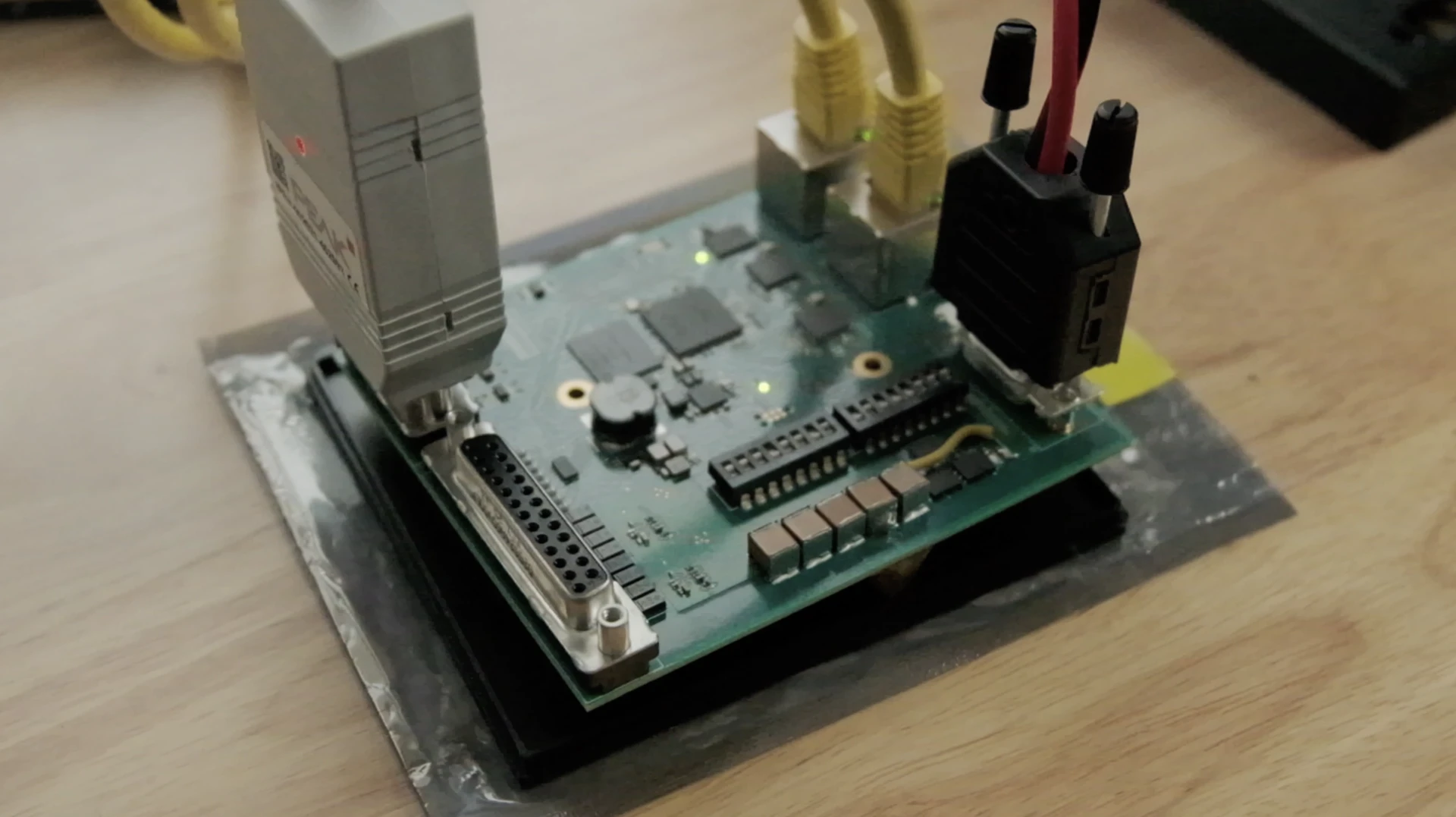
Our newest Controller is designed to act as a single, unified interface for managing energy assets. It can control and synchronize batteries, generators, and other equipment in both off-grid and grid-connected environments.
Instead of relying on layers of specialized hardware and custom programming, the goal was to build a compact, universal controller that could interface easily with a wide range of systems. This means one device can replace what would traditionally require six or seven separate components, while still supporting both legacy equipment and newer technologies.
The impact is not just architectural elegance. It is speed. Systems that previously required significant integration effort can now be deployed much more quickly and operated more reliably.
Designed from First Principles
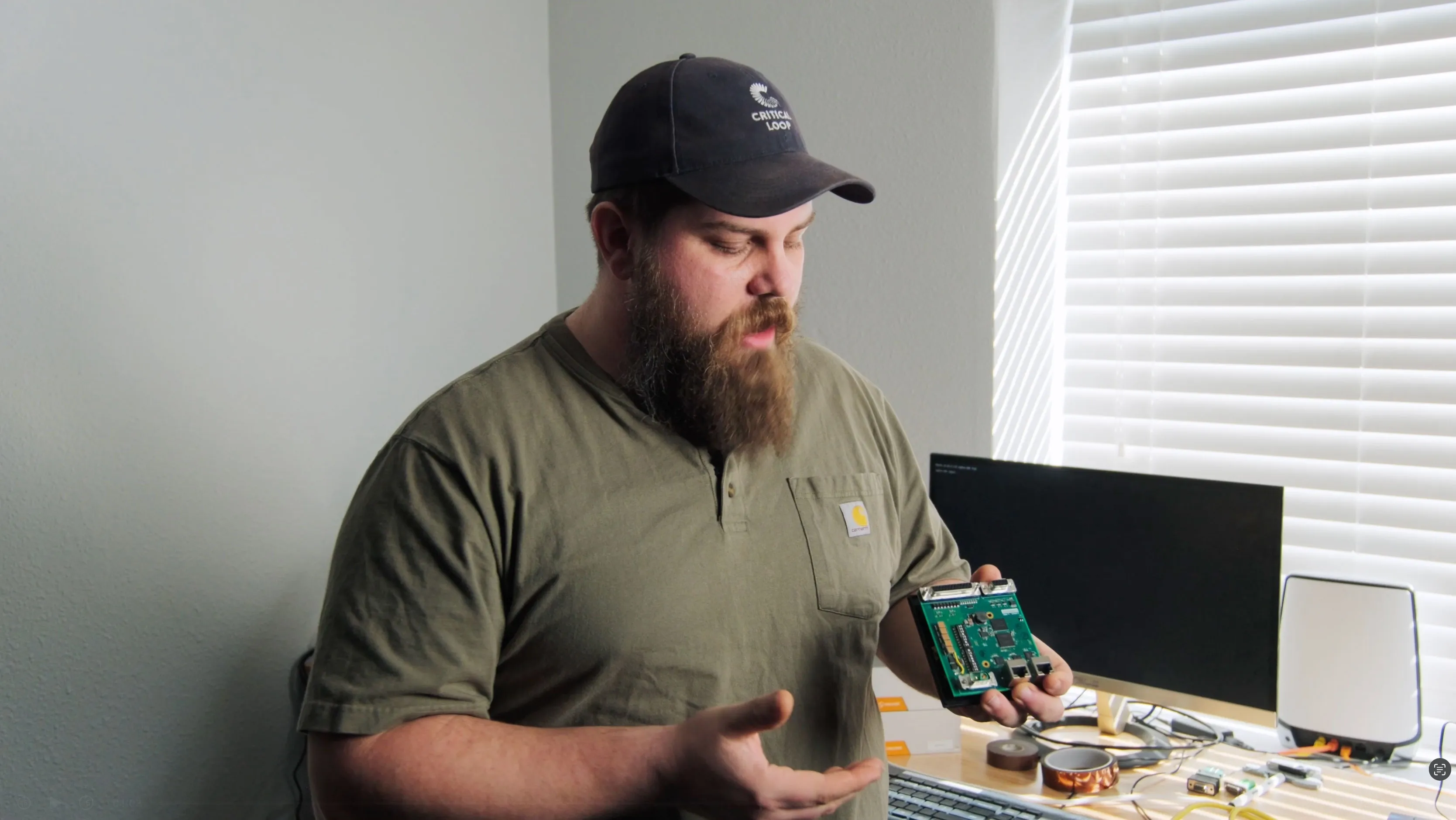
This is the first in-house PCBA we have designed from scratch, and it reflects a year of hands-on experience integrating third-party components in real customer environments.
That experience made the tradeoffs clear. We knew the interfaces we needed, the failure modes to avoid, and the gaps in existing solutions. The result is a board that functions as a kind of “Swiss Army knife” for control systems, with a wide range of digital and analog interfaces that allow it to integrate rapidly across different vendors and configurations.
In some cases, the economics are as meaningful as the architecture. The controller can cost less to manufacture than the software license of a single legacy component it replaces.
Built for Speed
The controller was designed, prototyped, and delivered in under three months, which is unusually fast for this class of hardware.
That speed is not incidental. It reflects our broader philosophy: rapid iteration and deployment matter more than extended planning cycles, especially in a space where customer needs evolve quickly and infrastructure must scale in real time.
Assembly is already underway, with units shipping shortly.
What Success Looks Like
The goal is not to ship a single product. It is to make this controller foundational.
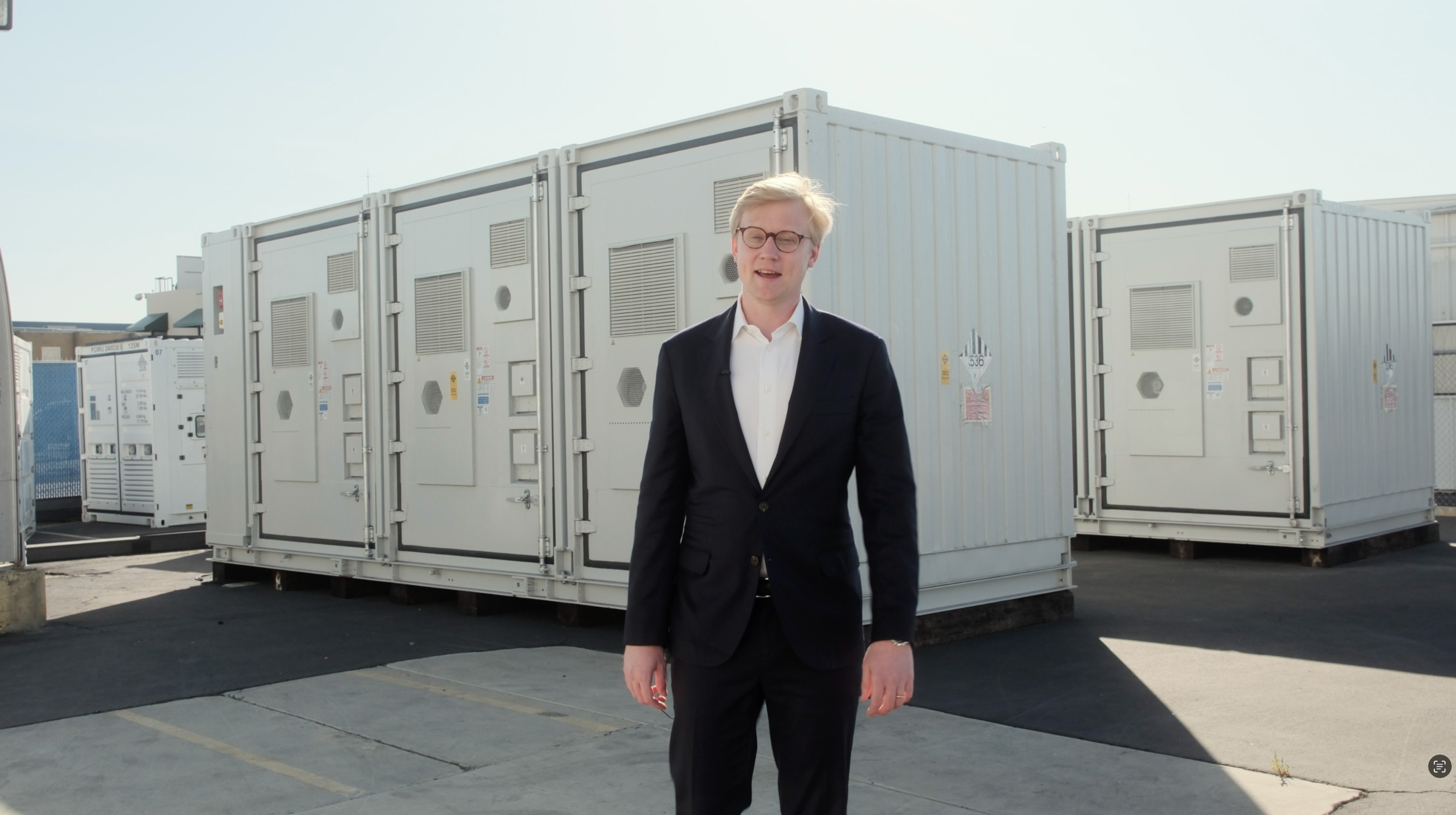
It should show up across our systems, from AC combiners to mobile battery storage, and become the default way we integrate and manage energy assets. If it becomes embedded across most of our deployments, then we will know it has done its job.
More broadly, simplifying control architecture is a prerequisite for scaling energy infrastructure. As systems grow in size and complexity, the only sustainable path forward is to reduce the number of moving pieces while increasing flexibility.