California's interconnection queues are stretching three to five years. The reason isn't a lack of power, it's a lack of control infrastructure capable of working within available grid capacity in real time. Most facilities accept the queue as an inevitability. It isn't.
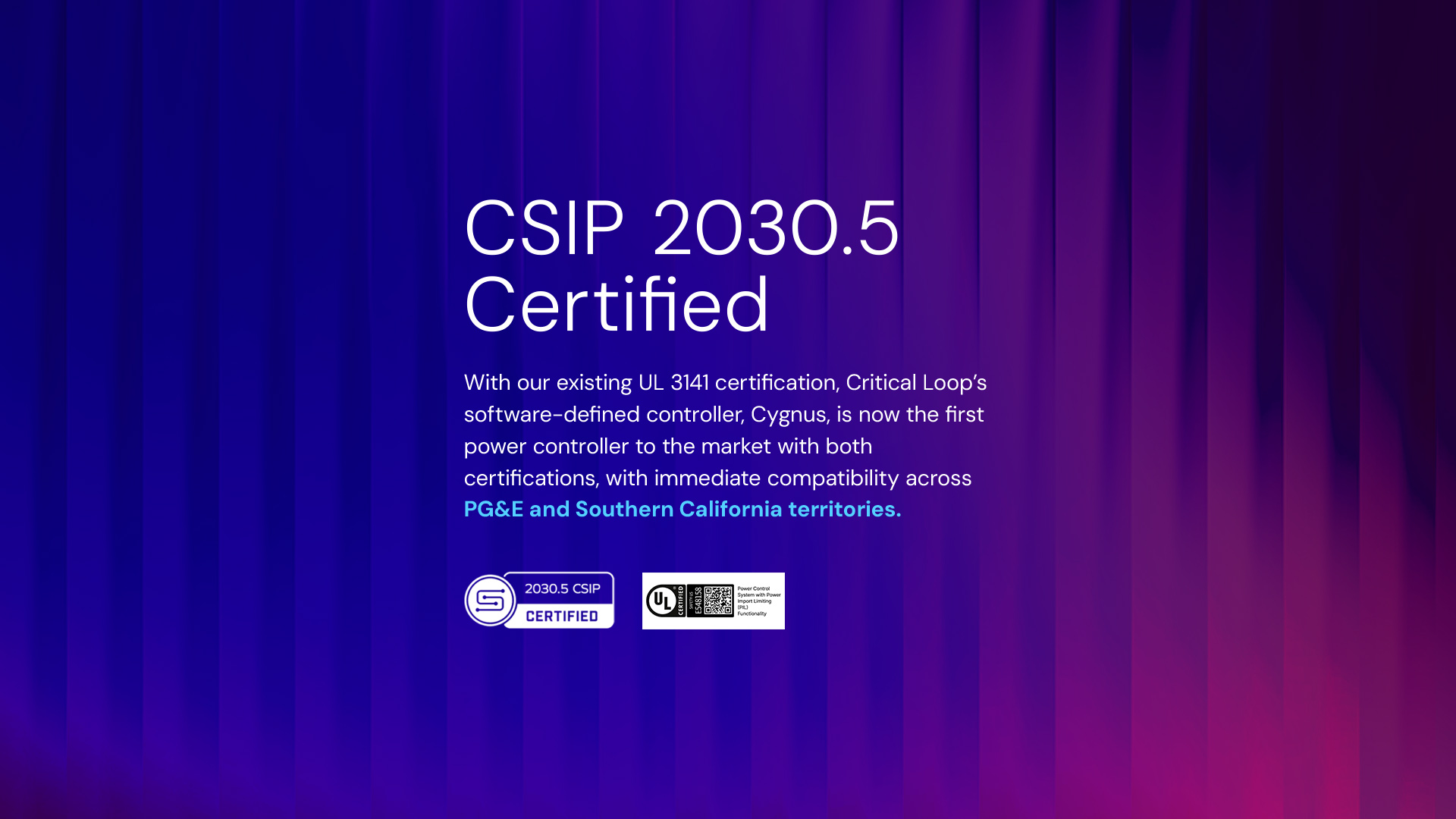
Cygnus is Critical Loop's UL 3141-certified Power Control System. It enables commercial and industrial facilities to participate in utility Load Control Management System programs and access flexible interconnection without waiting for traditional infrastructure upgrades. This is how it works.
Three Components. One System.
Cygnus is built around three hardware components, each with a specific job.
SEL-751 Feeder Protection Relay:
The SEL-751 from Schweitzer Engineering Laboratories is the enforcement core. It provides comprehensive protection, monitoring, and control in an industrial package: current, voltage, frequency, and power protection elements included. From a UL 3141 compliance perspective, the SEL-751 is the component the utility is trusting to hold the line. Everything else in the system exists to make it smarter and faster.
OnLogic Industrial PC:
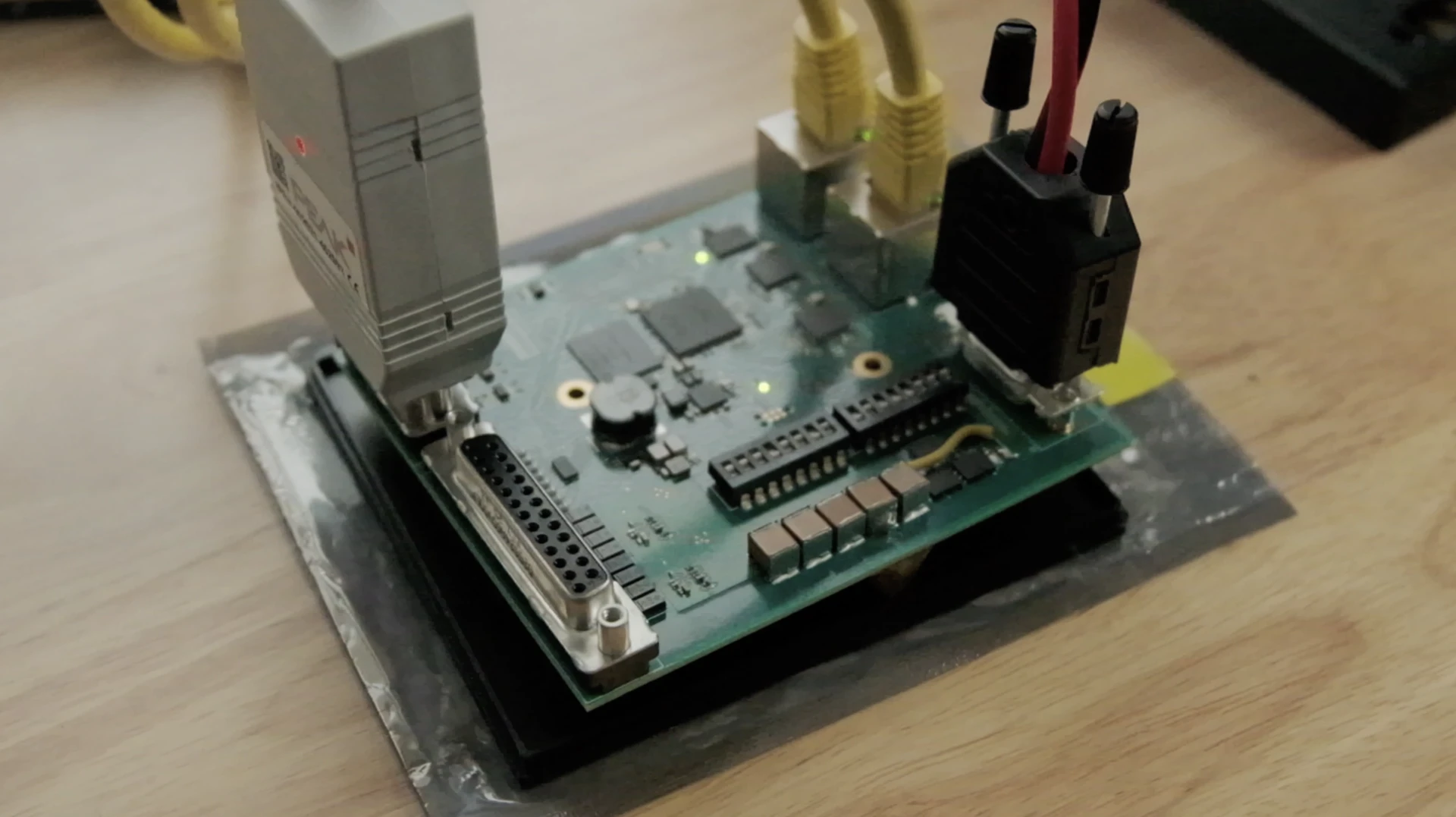
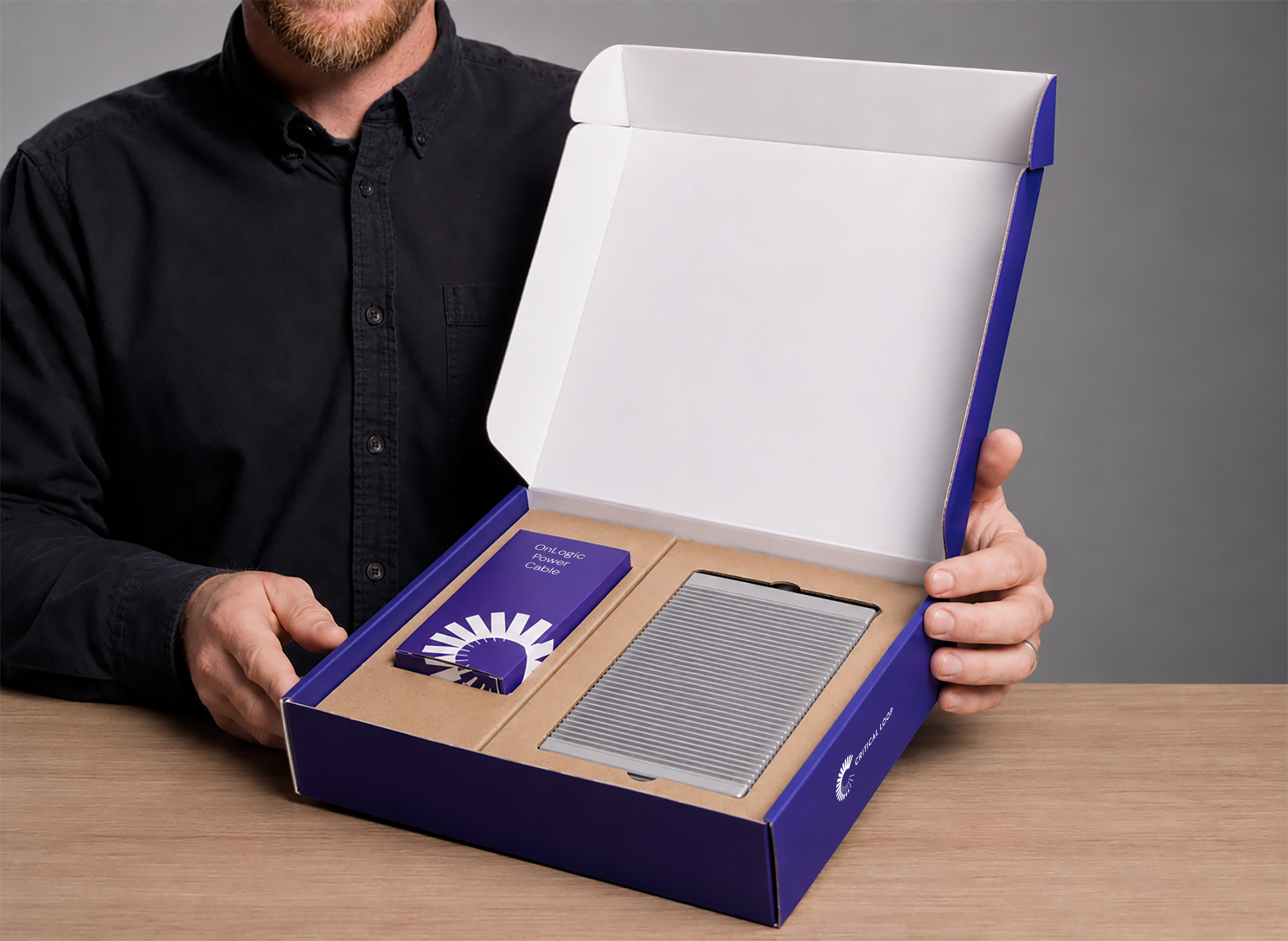
The OnLogic IPC is the intelligence layer. Running on industrial-grade processors in a fanless enclosure rated for harsh operating environments, it handles schedule conversion, protocol translation, and real-time telemetry delivery. It communicates with the SEL-751 over a local area network via Ethernet, and both run on standard 120V AC power. No specialized electrical infrastructure required.
Rogowski Coil Current Sensors:
UL 2808-compliant current sensors connect directly to the SEL-751 and wrap around existing service conductors without opening the panel. Supported models cover measurement ranges from 200A to 5000A. Installation doesn't require downtime. For a facility that can't afford to go dark during a retrofit, that matters.
How Power Import Limiting Actually Works
This is where most vendors stop at the concept and hope you don't ask questions. We'll go further.
When a utility issues a Power Import Limit schedule the Cygnus controller receives the data and within seconds produces the updated control equations that are embedded into the SEL-751, which the relay then enforces autonomously, even if connectivity is lost. The system monitors main panel voltages and currents continuously and trips the breaker if any out of bound conditions are met. No operator standing by, no manual intervention under normal conditions, and from that point forward the OnLogic delivers real-time telemetry via API at 2 Hz, giving both the operator and the utility continuous visibility into system status, protection functions, and metering quantities.
The utility sees what it needs to see. The facility operates within its permitted power band. The system handles the rest.
Why This Architecture Is Different
Most approaches to flexible interconnection were designed for EV charging with smaller loads, simpler profiles, more forgiving margin for error. Bringing the same model to commercial and industrial facilities means working with larger service sizes, more complex load profiles, and utilities that require demonstrated reliability before they'll approve a connection.
Cygnus was built for that standard from the start. Utility-grade protection in the relay, and industrial-grade compute in the IPC. Proven industrial protocols connecting the two. The architecture doesn't cut corners because the certification process doesn't allow it. UL 3141 requires that every element of power import limit enforcement and protection functionality be demonstrated under real operating conditions, not just specified on paper.
The result is a system that installs without panel downtime, enforces utility schedules within seconds, and gives everyone involved, the facility, the operator, and the utility, continuous real-time visibility into exactly what the system is doing.
Waiting Is a Choice
Three to five years is what the grid offers facilities that wait for traditional infrastructure upgrades. Cygnus is what's available to facilities that don't want to wait.
The certifications are in place, the utility programs exist, and substation slots are finite and filling fast.
More to share on September 29th.
Critical Loop is actively onboarding C&I customers across California. Reach out now.